


7 Gentle Hydroquinone Alternatives that Actually Work
October 12, 2026
By: Lauren Sindel
Looking for gentle hydroquinone alternatives that won't leave you red? We’ve found the best ones.
Hydroquinone is a popular, topical skin brightening agent used for dark spots and uneven skin tone. But it’s not for everyone. As effective as it may be for brightening skin, hydroquinone does have its share of downsides. People with sensitive skin aren’t always able to use it because it’s simply too irritating.
So what’s the alternative? We’ve found the top skincare ingredients that work like hydroquinone and offer visible results with fewer side effects. Here’s why you might want to consider switching and the gentlest hydroquinone alternatives available.
Why Consider Substitutes for Hydroquinone?
Hydroquinone is a chemical brightening agent that works by blocking tyrosinase, the enzyme which your skin cells (melanocytes) need to produce melanin. It was widely used as a skin lightening treatment until researchers discovered a few worrying facts about it.
First, researchers noticed people who used hydroquinone were at risk for developing ochronosis, a medical condition that causes blue and black discoloration on the skin. Second, it can cause severe irritation if it’s not used properly. In some cases, it’s just too harsh for people with sensitive skin. And third, it was banned in the EU because it contains carcinogens, which puts people at risk for cancer.
While hydroquinone can be effective for hyperpigmentation and melasma, there are alternatives available that are safer, gentler, and more well tolerated by most skin types.
Gentle Hydroquinone Alternatives
If you want a safer, gentler way to get brighter skin, try one or more of these ingredients.
1. Jelly Booster Pigment Potion
Best for Mild Discoloration and Acne Marks

Licorice extract is a great natural hydroquinone alternative. It contains compounds such as glabridin that have demonstrated tyrosinase-inhibiting and anti-inflammatory activity, making it an interesting option for skin prone to discoloration.
What makes licorice extract particularly appealing is its dual-action potential. Rather than focusing solely on pigment production, it may also help calm the inflammation that can contribute to post-inflammatory hyperpigmentation.
If your skin tends to react to stronger active ingredients, licorice extract may be worth considering as part of a more gentle brightening routine.
2. Laser Spot Dark Spot Treatment
Best Overall for Dark Spots on Body

Another popular hydroquinone substitute, azelaic acid is a powerful skin brightener. It’s produced by a fungus that sometimes causes light patches of skin. However, it’s still milder than hydroquinone.
It works by suppressing and eliminating abnormal melanocytes. Plus, it’s known to have few side effects which makes it an appealing option for sensitive skin types.
3. The Brightening Face Serum
Best for Uneven Skin Tone on Face
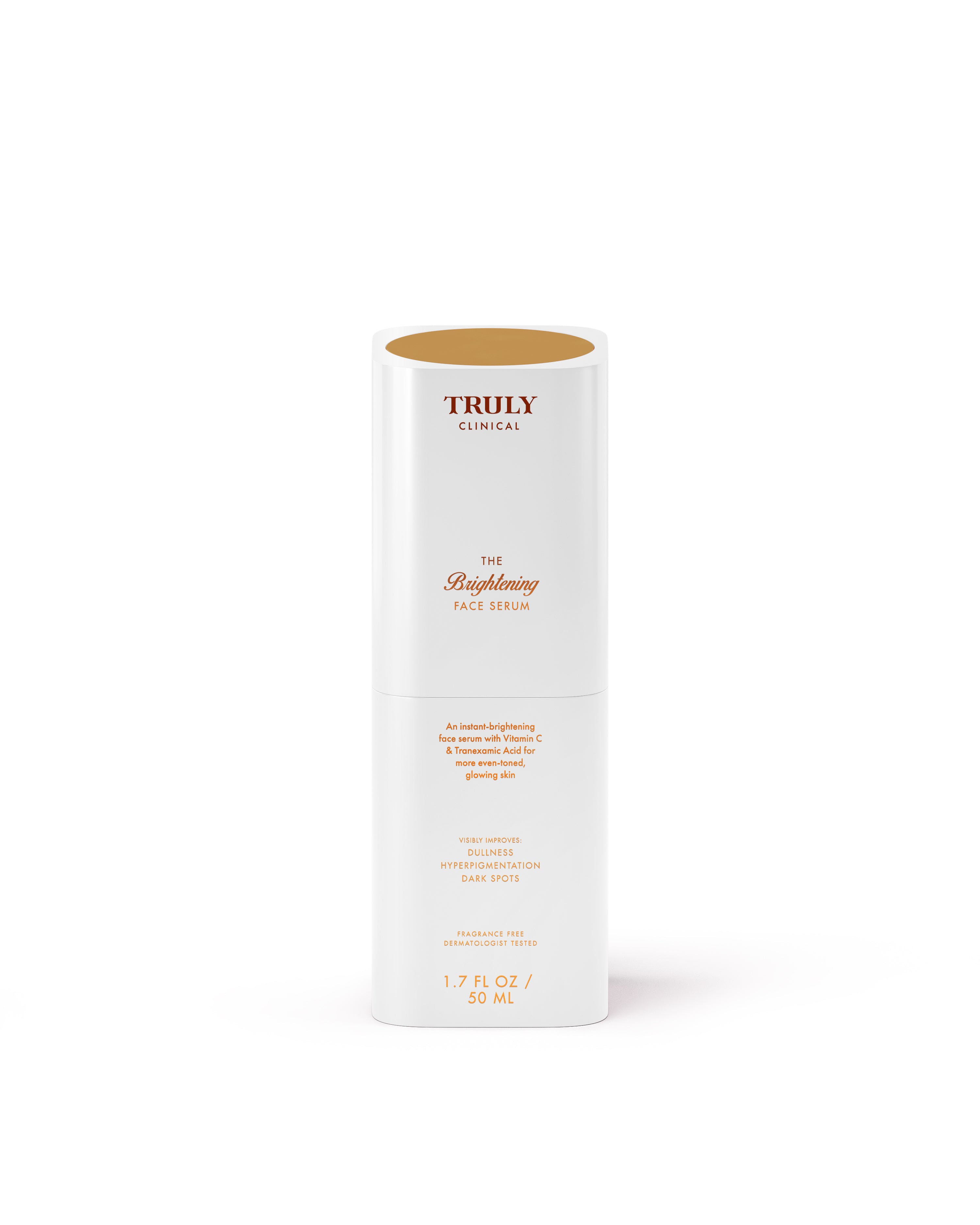
Tranexamic acid is one of the best alternatives to hydroquinone. Clinical studies show that topical use of tranexamic acid delivers pigment reducing results similar to hydroquinone over 8-12 weeks of use.
Unlike hydroquinone, tranexamic acid works earlier. It’s almost like a reset button for your skin, blocking the hidden inflammatory signals that trigger dark spots and melasma.
4. Unicorn Fruit Skin Brightening Deodorant
Best for Underarm Dark Patches

Mandelic acid is a gentle alpha hydroxy acid (AHA) that helps fade dark marks and sun damage. It works by gently exfoliating the skin’s surface to remove dead skin cells that trap excess pigment. It also suppresses tyrosinase, the enzyme that encourages pigment production, to prevent new discoloration formation.
Thanks to its large molecular size, it penetrates the skin slowly and evenly, reducing the risk of inflammation-related darkening.
However, gentler does not mean irritation-free. Overuse or an unsuitable formulation can still cause inflammation, which may worsen discoloration in pigmentation-prone skin. Follow product directions carefully, particularly when using exfoliating products on delicate or recently shaved areas.
5. Strawberry Blossom Smooth & Brighten Body Peel Spray
Best for Sun Spots and Age Spots

Kojic acid is a fungus-derived compound that brightens hyperpigmentation by blocking tyrosinase. It’s highly effective for fading the look of sun spots, age spots, and acne scars. Plus, it boasts mild anti-fungal properties that can help clear acne-causing bacteria.
There is a trade-off to consider, though: kojic acid can irritate some skin types and may cause contact dermatitis. Its suitability depends on the concentration, formulation and your skin's tolerance, so introduce it carefully rather than assuming that every brightening ingredient will be gentle.
6. Glass Skin After Shave Oil
Best for Dull, Uneven Skin

Niacinamide is a gentle skincare ingredient that does not bleach or irritate the skin, but it does improve hyperpigmentation. By blocking pigment transfer, niacinamide prevents dark spots from forming. In addition, it strengthens the skin barrier which helps calm redness and support skin healing.
For best results, use a product with a 2-5% niacinamide concentration. Be patient, as it can take 4-8 weeks to see a visible improvement.
7. Cherry Baby Luxury Body Oil
Best for Dry, Uneven Skin
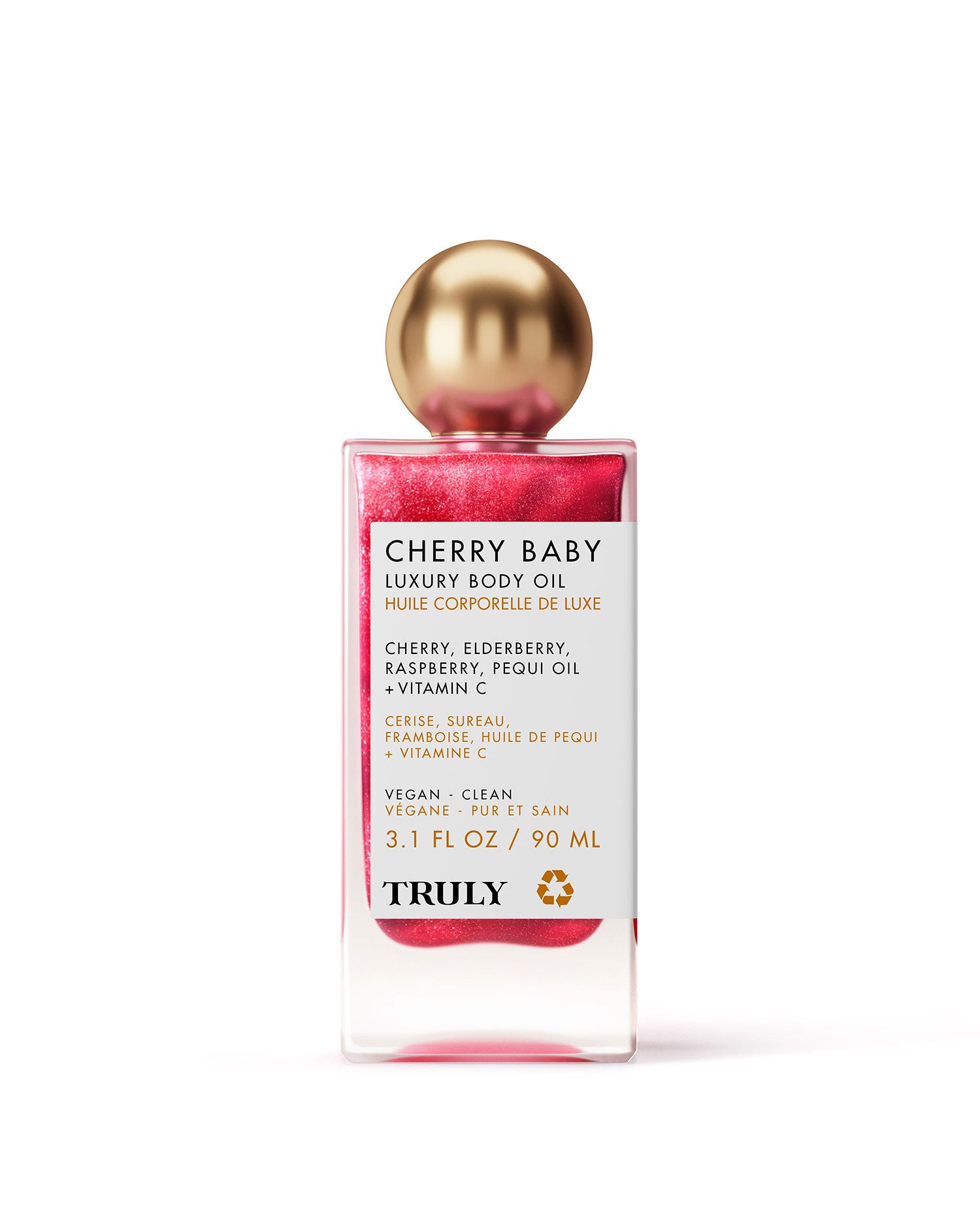
Vitamin C is a well-known and loved skin brightening ingredient. Like most of the ingredients on here, it inhibits tyrosinase to prevent dark marks and patches from appearing in the first place.
Alongside this, vitamin C speeds up skin cell turnover to help clear away dull, dead cells sitting on the skin’s surface. Plus, it’s a powerful antioxidant that gives your skin natural radiance.
Share


In this article

The Latest Blogs


You Might Also Like


FREE
SHIPPING

EASY
RETURNS

MONEY BACK
GUARANTEE

SECURE
CHECKOUT


