


Peptides vs Retinol: Which is Better for Anti-Aging?
November 04, 2025
By: Truly Beauty
Peptides vs retinol - find out which one's really best for fighting fine lines and wrinkles.
Peptides and retinol are both powerful anti-aging ingredients that can help reduce the appearance of wrinkles for a smoother, plumper, more youthful-looking complexion. Still, there are differences between peptides and retinoids.
Ahead, learn the key differences been peptides and retinol as well as which one's best for your skin and its unique needs.
Peptides vs Retinol
What's the Difference Between Peptides and Retinol?
Peptides are short chains of amino acids that send signals to the skin to produce more collagen and elastin, and promote repair and renewal. This helps to smooth fine lines, increase skin's firmness, and improve overall skin texture. Gentle yet powerful, peptides promote plumper, firmer looking skin while boosting hydration and supporting the skin barrier.
Retinol is a vitamin A derivative that stimulates collagen production and speeds up cell turnover, which can help reduce fine lines, smooth skin texture, and improve skin tone. While it delivers quicker surface-level changes, it tends to cause irritation initially (especially to dry and sensitive skin types).
Benefits of Peptides for Skin
Peptides offer a host of benefits for the skin, from strengthening the skin barrier to improving skin texture and reducing fine lines and wrinkles. They're anti-aging effects can be credited to its collagen and elastin boosting abilities.
Once reserved for dermatology offices, peptides are now a popular ingredient in anti-aging serums and creams because they offer a gentle yet science-backed route to younger, smoother, firmer skin. Peptides support the skin's structure without irritating it.
Benefits of Retinol for Skin
Retinol is a potent ingredient that works at a surface level to promote cell regeneration and collagen production, delivering a smoother, firmer, more youthful-looking complexion. In addition to softening fine lines and wrinkles, retinol can reduce breakouts and hyperpigmentation for visibly brighter, clearer, more even looking skin.
Which is Better for Anti-Aging: Retinol or Peptides?
When it comes to the peptides vs retinol debate, most dermatologists would agree that both skincare ingredients are effective at combating skin aging. However, you'll get the best results from these when you choose based on your skin type. Here's which one to pick based on your skin type and needs.
Choose Peptides if
- You have dry skin
- You have sensitive skin
- You have mature skin
If you have dry or sensitive skin, peptides are the safer, gentler option. Unlike active ingredients like retinol, peptides strengthen the skin barrier, boost hydration, and combat signs of aging without causing redness, dryness, or irritation.
Peptides like Hexapeptide-8 and Palmitoyl pentapeptide-4 (Matrixyl peptide) help stimulate collagen production, increase skin elasticity, and relax facial muscles to promote smoother, plumper looking skin.
Choose Retinol if
- You have Oily Skin
- You have Blemish-Prone Skin
If your skin can handle stronger actives, retinol is your powerhouse ingredient. It helps speed up cell turnover, clear clogged pores, and reduce acne, while also targeting fine lines and uneven texture. Over time, retinol can refine your complexion for a smoother, more youthful glow. Just be sure to start slow and pair it with plenty of moisture.
Best Peptide Products for Fine Lines, Wrinkles, & Sagging
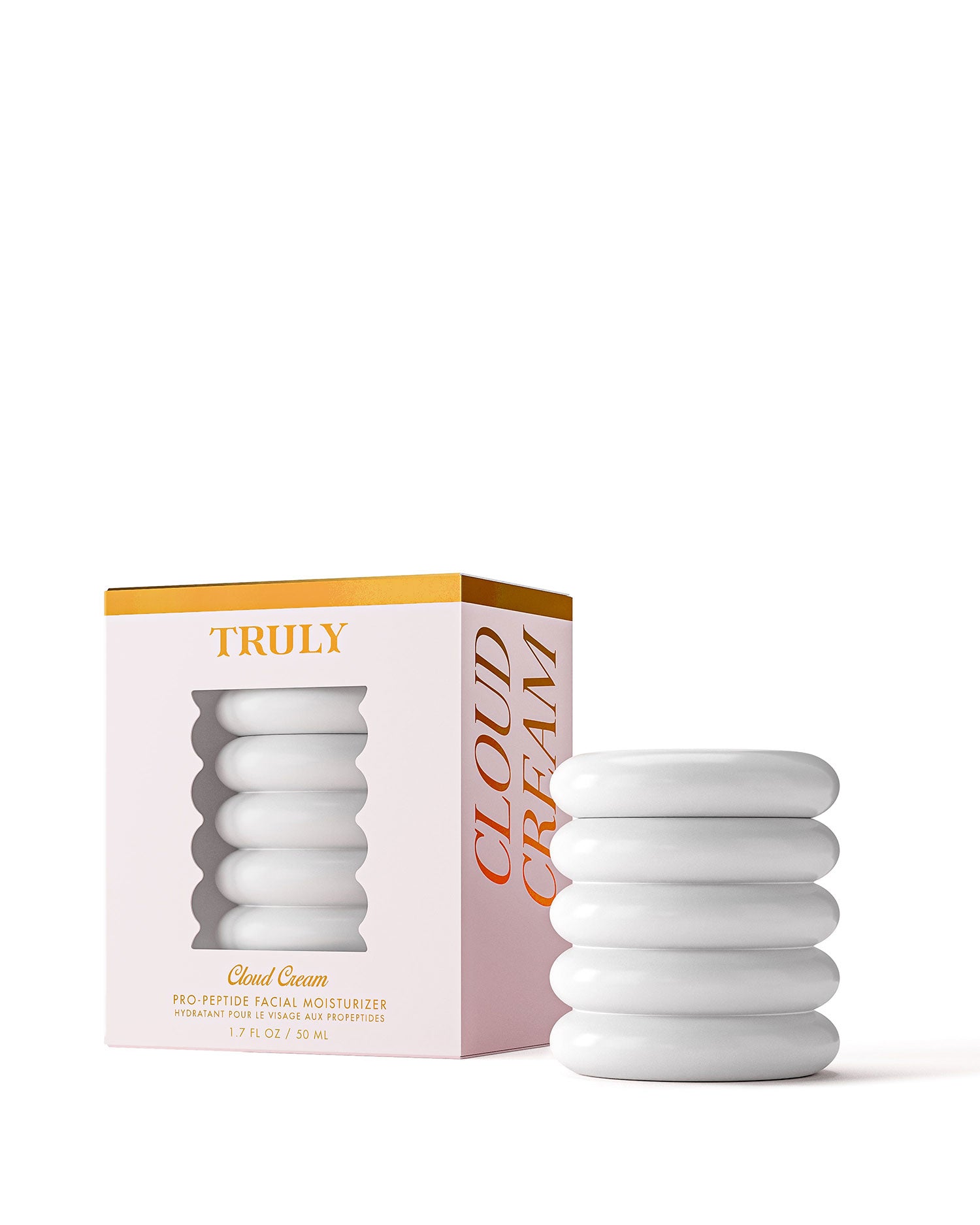
A lightweight gel cream with hexapeptide 8, glycolic acid, and soybean ferment extract. This supercharged moisturizer intensely hydrates and visibly plumps skin to reduce the appearance of fine lines and wrinkles.

A luxurious face & body serum with diamond peptides and hyaluronic acid. Diamond Baby is clinically proven to reduce wrinkles by 42%. It feels light and luxe on the skin, and instantly illuminates for a lit-from-within glow.
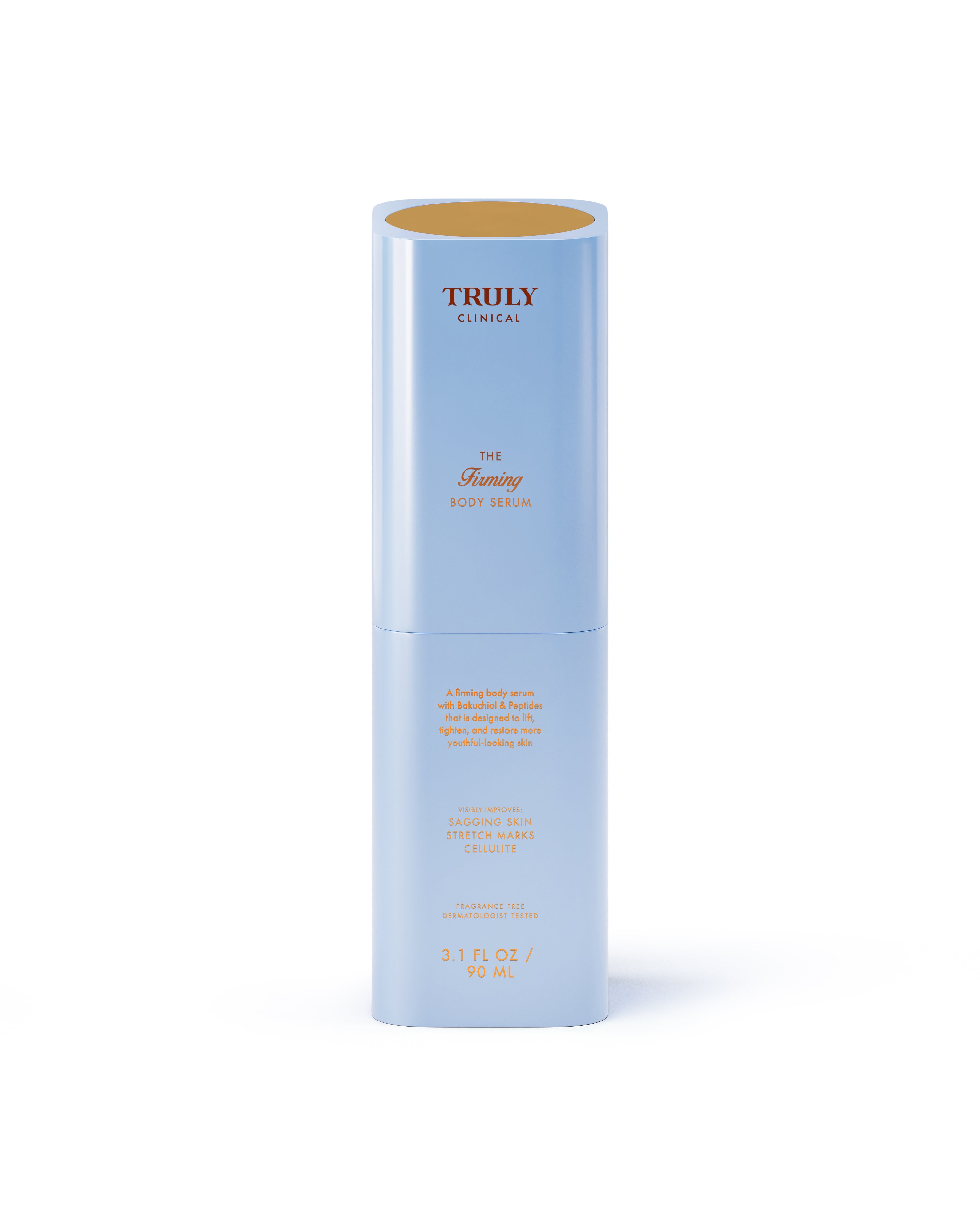
A dermatologist-tested, fragrance-free body serum with peptides & bakuchiol that promotes firmer, tighter, bouncier skin. Bakuchiol is a gentle retinol alternative that boosts collagen and cell turnover to smooth fine lines and reduce the appearance of stretch marks and cellulite.
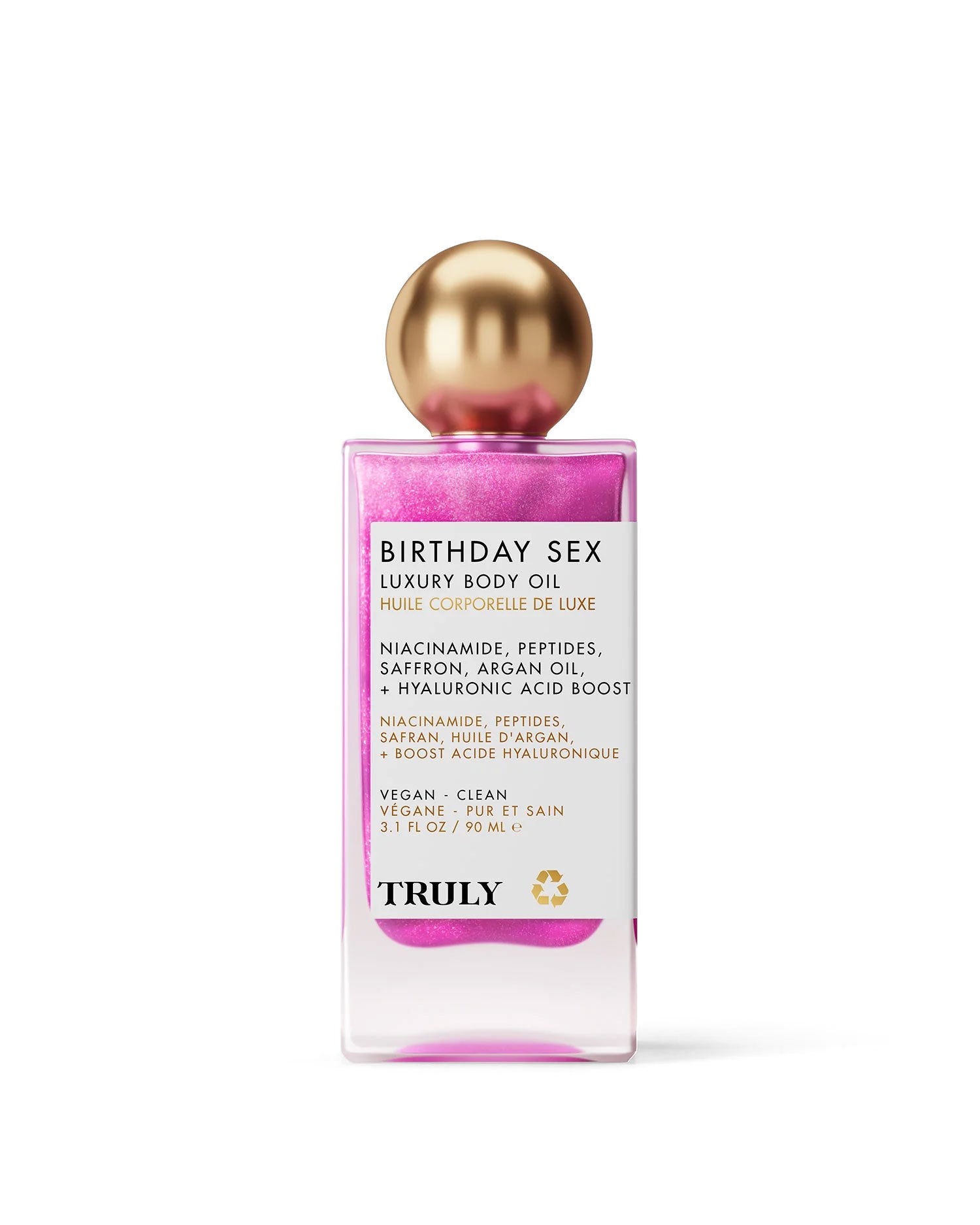
A luxurious, peptide-powered body oil with hyaluronic acid and niacinamide, it helps seal in moisture while plumping lines and giving skin a tighter appearance with a subtle shimmery finish.
How to Use Peptides and Retinol in Your Routine
Peptides and retinol complement each other very well. To get the benefits of both without any unpleasant side effects, use peptides on a daily basis and use retinol 2-3 times per week. Regardless of your skin type, everyone can benefit from combining the two ingredients in their anti-aging regimen.
Just remember to finish your routine with sunscreen (SPF 30 or higher) to protect your skin against UV rays. You’re actually better off applying your retinol products at night since retinol makes skin more sensitive to the sun. Plus, UV rays can degrade retinol, making it less effective.
Alongside this, make sure you’re incorporating hydrating ingredients into your routine to lock in moisture and prevent any potential irritation from retinol. Look out for humectants and emollients such as hyaluronic acid, glycerin, and shea butter.

Shop Truly's Peptide Firming Serum
Can You Use Peptides and Retinol Together?
Yes, and they actually make a dream team! While retinol works hard to speed up cell turnover and boost collagen, peptides step in to soothe, hydrate, and strengthen your skin barrier. Using them together helps you get all the anti-aging, smoothing benefits of retinol without the dryness or irritation that often comes with it.
To layer them right, apply retinol first, let it absorb, then follow with your peptide serum or moisturizer. This combo helps your skin stay balanced, hydrated, and glowing even on retinol nights.
FAQ: Retinol vs Peptides
1. Which Is Better for Skin Aging, Retinol or Peptides?
Both ingredients target aging, but in different ways. Retinol increases cell turnover and boosts collagen for quicker, visible results. Peptides, on the other hand, work gradually to strengthen the skin barrier and support long-term firmness and elasticity. For the best anti-aging routine, use them together — retinol for renewal, peptides for repair.
2. Are Peptides Better Than Retinol?
Not necessarily better, just different. Peptides are gentler and more hydrating, ideal for dry, sensitive, or beginner skin. Retinol is more potent, perfect for tackling deeper wrinkles, texture, and discoloration. Your choice depends on your skin type and tolerance.
3. What Should I Not Mix With Peptides?
Peptides play well with most ingredients, but it’s best to avoid combining them directly with strong acids (like glycolic or salicylic acid) and high concentrations of vitamin C. These can alter peptide stability and reduce effectiveness. Instead, alternate use — acids in the evening, peptides in the morning, or layer with a gentle buffer like moisturizer.
4. Which Is Better for Wrinkles, Peptides or Retinol?
If your goal is to reduce fine lines and wrinkles, retinol typically delivers faster results due to its powerful collagen-boosting effects. However, peptides are excellent for maintaining firmness and smoothing the skin over time, especially if you want results without irritation.
5. Are Peptides Gentler Than Retinol?
Yes, peptides are much gentler. They hydrate, calm, and strengthen your skin without the peeling or redness often caused by retinol. That’s why peptides are ideal for anyone with dry, sensitive, or mature skin, or for those new to active ingredients.
Are Peptides or Retinol Better?
Both peptides and retinol are excellent anti-aging ingredients. Peptides are the gentler option for people with dry and sensitive skin. Found in everything from serums to creams and cleansers, peptides are an excellent choice for targeting and preventing skin aging without irritating your skin.
Retinol is equally as effective yet more potent and probably more likely to cause irritation, especially if you have reactive skin.
Peptides is the best overall choice that's suitable for all skin types and can easily be paired with other skincare ingredients in your routine.
Share


In this article
-
 Peptides vs Retinol: Which is Better for Anti-Aging?
-
Peptides vs Retinol
-
Benefits of Peptides for Skin
-
Benefits of Retinol for Skin
-
Which is Better for Anti-Aging: Retinol or Peptides?
-
Best Peptide Products for Fine Lines, Wrinkles, & Sagging
-
How to Use Peptides and Retinol in Your Routine
-
Can You Use Peptides and Retinol Together?
-
FAQ: Retinol vs Peptides
-
Are Peptides or Retinol Better?

Share
The Latest Blogs


You Might Also Like


FREE
SHIPPING

EASY
RETURNS

MONEY BACK
GUARANTEE

SECURE
CHECKOUT


