


What Are AHAs? Your Complete Guide to Alpha Hydroxy Acids
June 01, 2026
By: Truly Beauty
Discover the benefits of alpha hydroxy acids in skincare and how to use them right on your face and body.
Alpha hydroxy acids (AHAs) are some of the most researched and effective skincare ingredients for improving skin texture, brightness, and visible signs of aging.
Ahead, we explore what alpha hydroxy acids do for your skin and how to safely add them to your skincare routine. Plus, our top recommendations if you're new to AHAs.
What Are AHAs?
AHAs, or alpha hydroxy acids, are a group of water-soluble acids commonly used in skincare to exfoliate the skin's surface. They work by dissolving the bonds that hold dead skin cells together, allowing those cells to shed more easily and reveal fresher, healthier-looking skin underneath.
Often referred to as “chemical exfoliants,” AHAs may sound intense, but they are commonly derived from natural sources such as fruits, milk, and sugarcane.
The Most Common Types of Alpha Hydroxy Acids
Not all AHAs are the same. Each type has unique properties and benefits.
Glycolic Acid
Derived from sugarcane, glycolic acid has the smallest molecular size of all AHAs. This allows it to penetrate the skin more effectively, making it one of the most powerful exfoliating acids available. Glycolic acid is ideal for fine lines and wrinkles, sun damage, hyperpigmentation, and rough texture.
Lactic Acid
Originally derived from milk, lactic acid has a larger molecular structure than glycolic acid, making it gentler on the skin. Lactic acid is excellent for sensitive skin, dry skin, and mild discoloration.
Mandelic Acid
Derived from bitter almonds, mandelic acid penetrates more slowly and tends to cause less irritation. It's often recommended for sensitive and acne-prone skin types dealing with uneven skin tone and post-inflammatory hyperpigmentation.
How Do AHAs Work?
AHAs work by loosening the "glue" that holds dead skin cells together on the skin's surface. As dead skin cells are removed, newer skin cells emerge, creating a smoother, brighter, and more even complexion.
Research shows that AHAs can also stimulate collagen production and increase skin cell turnover, helping reduce visible signs of aging over time.
As a result, skin often appears brighter, smoother, and more even-toned. Additionally, removing dead skin buildup allows other skincare products to penetrate more effectively, maximizing the benefits of your entire routine.
Best AHA Skincare Products in 2026
Best AHA Face Cream
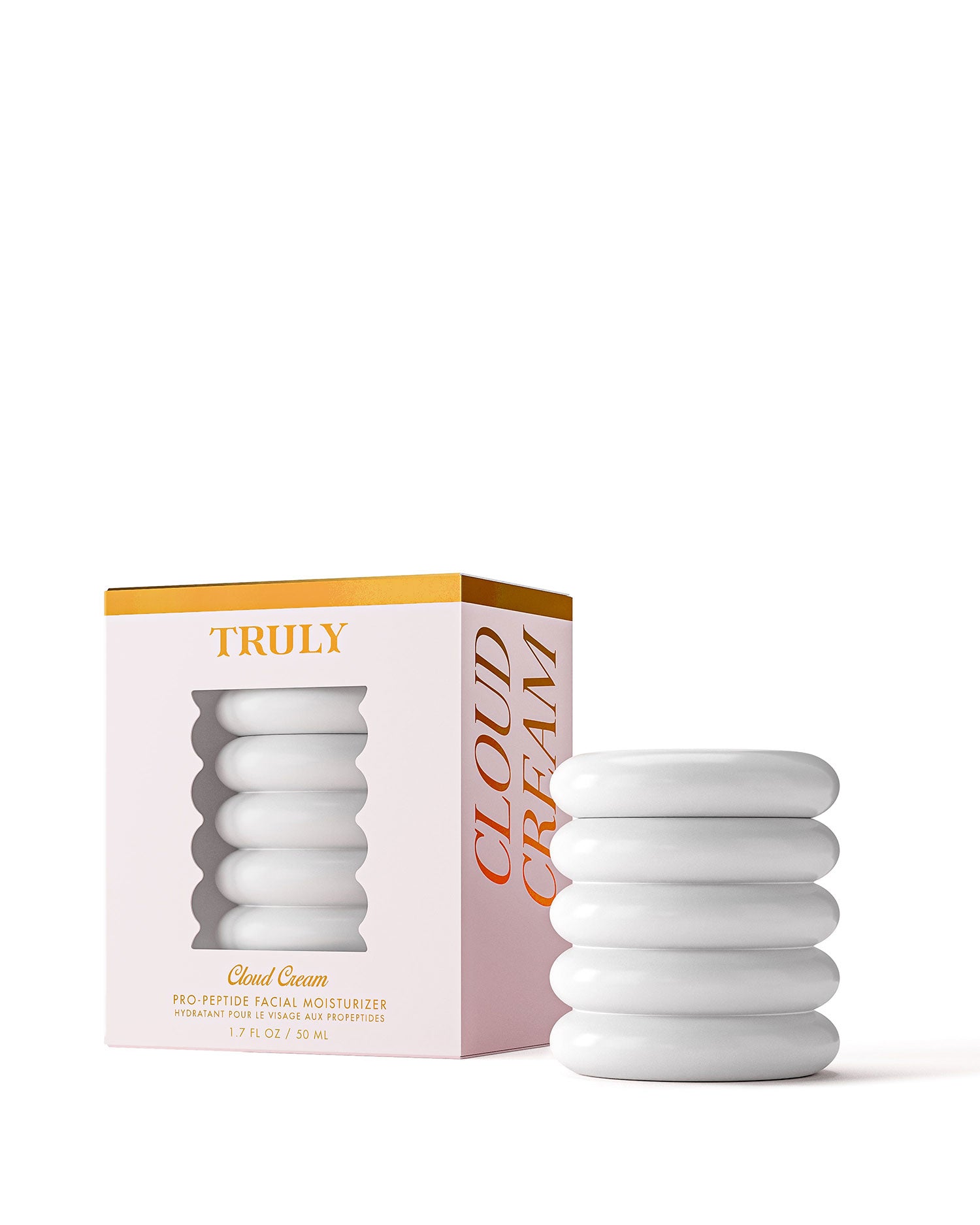
Lightweight, fast-absorbing, and perfect for targeting those stubborn lines, creases, and sun spots - as well as keeping your skin well-hydrated.
Best AHA Body Serum

A leave-on AHA exfoliator serum that visibly smooths bumps and uneven texture for more refined-looking skin. Everywhere.
Best AHA Deodorant

Besides its delicate strawberry vanilla scent, this deo is a daily essential for keeping your armpits bright, even, and extremely fresh for hours.
Benefits of Alpha Hydroxy Acids
1. Brighten Dull Skin
One of the biggest reasons people use AHAs is to restore radiance. Dead skin cell buildup can make skin look tired, uneven, and dull. AHAs gently exfoliate this layer away, revealing fresher skin underneath. With consistent use, skin appears noticeably brighter and more luminous.
2. Help Reduce Fine Lines and Wrinkles
As we age, skin cell turnover naturally slows down. AHAs help accelerate this renewal process while supporting collagen production, which contributes to firmer, smoother-looking skin. Regular use can help minimize visible signs of photoaging caused by long-term sun exposure.
3. Improve Skin Texture
If your skin feels rough, uneven, or bumpy, AHAs can help. By removing accumulated dead skin cells, they create a smoother surface and improve overall skin texture. Many people notice softer skin after just a few applications.
4. Minimize the Appearance of Pores
While skincare products cannot physically shrink pores, AHAs can make them appear smaller. When pores become clogged with dead skin cells, oil, and debris, they often look enlarged. Regular exfoliation helps keep pores clear, resulting in a smoother and more refined appearance.
5. Prevent Breakouts
Acne often develops when dead skin cells mix with excess oil and block pores. AHAs help prevent this buildup by encouraging regular cell turnover. While BHAs are generally considered more effective for oily and acne-prone skin because they penetrate deeper into pores, AHAs can still play an important role in preventing congestion and reducing breakouts.
6. Help Fade Hyperpigmentation and Dark Spots
AHAs are particularly effective for treating sun spots, age spots, melasma, and acne marks. By accelerating the shedding of pigmented skin cells, AHAs help reveal a more even skin tone over time.
7. May Help Control Body Odor
By helping remove dead skin cell buildup and supporting a balanced skin environment, AHAs may help reduce odor-causing bacteria on the skin's surface. This is why ingredients like glycolic acid are increasingly used in underarm treatments and serum deodorants.
How to Use AHAs on the Face
After cleansing, apply an AHA moisturizer like Truly Cloud Cream Pro-Peptide Facial Moisturizer (with glycolic + lactic acid). It also contains the perfect ratio of hexapeptide, shea butter, and soybean extract to deeply hydrate and counteract any irritation.
Because chemical exfoliants are highly potent, where you place them in your routine matters. Check out our guide on how to layer your skincare products to see exactly when to apply your AHAs.
How to Use AHAs on the Body
AHAs can be especially effective for body concerns like keratosis pilaris (KP), strawberry legs, ingrown hairs, rough texture, and odor.
- For underarm discoloration and odor, apply a couple of swipes of Truly Soft Serve Serum Deodorant (with 5% AHA) daily to see visible brightening and skin evening effects.
- For bumps and uneven texture, apply a few drops of Truly Smooth Legend After Shave Serum which gently exfoliates for visibly smoother-looking skin after just a few days.
Frequently Asked Questions About AHAs
What are AHAs Used for?
AHAs are used to exfoliate the skin, improve texture, brighten dullness, fade hyperpigmentation, reduce fine lines, and support healthy skin renewal.
Can I Use AHAs Every Day?
Some people can tolerate daily use, but beginners should start with 1–2 applications per week and gradually increase frequency.
Which AHA is Best for Sensitive Skin?
Lactic acid and mandelic acid are typically considered the gentlest AHAs and are often recommended for sensitive skin types.
Are AHAs Safe for Skin?
Like all active skincare ingredients, AHAs like lactic acid or glycolic acid can cause temporary side effects, particularly when first introduced. Potential side effects include mild redness, dryness, and itching.
These effects are usually temporary and improve as your skin adapts. People with eczema, rosacea, psoriasis, or highly sensitive skin should consult a dermatologist before using stronger AHA products.
Are AHAs Worth Using?
If you're looking for a single skincare ingredient that can brighten skin, smooth texture, reduce fine lines, fade dark spots, and improve overall radiance, alpha hydroxy acids are among the best options available.
For most people, adding an AHA to their skincare routine is one of the simplest and most effective ways to achieve healthier, smoother, and more youthful-looking skin.
Share


In this article
-
 What Are AHAs? Your Complete Guide to Alpha Hydroxy Acids
-
What Are AHAs?
-
The Most Common Types of Alpha Hydroxy Acids
-
How Do AHAs Work?
-
Best AHA Skincare Products in 2026
-
Benefits of Alpha Hydroxy Acids
-
How to Use AHAs on the Face
-
How to Use AHAs on the Body
-
Frequently Asked Questions About AHAs
-
Are AHAs Worth Using?

Share
The Latest Blogs


You Might Also Like


FREE
SHIPPING

EASY
RETURNS

MONEY BACK
GUARANTEE

SECURE
CHECKOUT


